Autism Acceptance Month Miami 2026 for Families
April 21, 2026
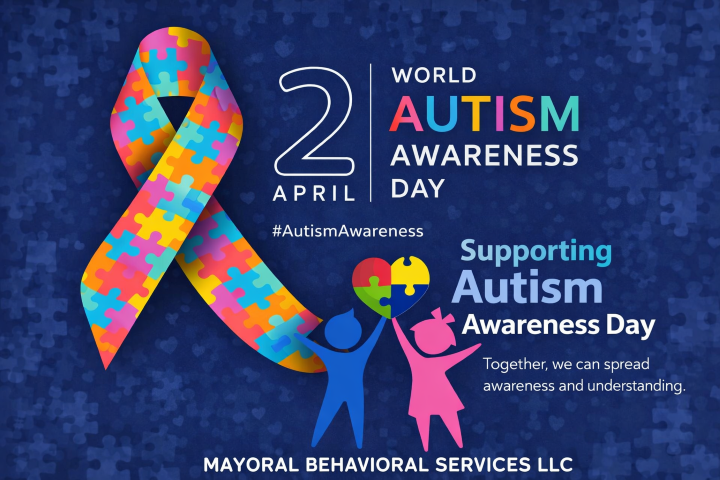


Autism Acceptance Month Miami: 8 Essential 2026 Tips
Celebrate, educate, and connect with Miami's autism community this April.
Autism Acceptance Month Miami arrives each April as a citywide invitation for families, schools, clinicians, and neighbors to move beyond simple awareness and step into genuine acceptance. For parents raising autistic children across Miami-Dade, Broward, and the wider South Florida area, April 2026 is an opportunity to celebrate your child exactly as they are, learn from autistic voices, and plug into a community built on belonging. This guide walks you through eight essential, practical ways to mark the month with your family — along with local resources you can keep using long after April ends.
At Mayoral Behavioral Services, we see acceptance not as a single-month hashtag but as a daily practice. Whether you are just beginning to learn about an autism diagnosis or are a longtime advocate, the tips below are designed to meet you where you are.
What Autism Acceptance Month Miami Really Means in 2026
Autism Acceptance Month Miami is the local expression of a national movement that began shifting from "awareness" to "acceptance" several years ago at the urging of autistic self-advocates. The Autism Society of America officially transitioned the April observance from Awareness Month to Acceptance Month to reflect a simple truth: autistic people do not need the world to know they exist, they need the world to welcome them, support them, and include them.
In Miami, that shift has real meaning. Our city is home to one of the most culturally diverse autism communities in the country, and many Latino and Caribbean families navigate autism through multi-generational households, bilingual environments, and strong cultural traditions. Acceptance in 2026 means recognizing every one of those identities and designing supports that respect them. If you are just beginning to understand your child's neurology, our autism support services page is a gentle starting point.
Tip 1: Lead With Listening to Autistic Voices
The most important step any parent, educator, or neighbor can take during April is to center autistic people. Read blogs, follow creators, and listen to podcasts produced by autistic adults. Autistic voices will teach you things professionals rarely can — what stimming actually feels like, why eye contact can be painful, what a loud grocery store does to a sensory system.
Resources like the Organization for Autism Research publish family guides co-written by autistic adults, and the CDC's autism hub includes plain-language materials translated from autistic-led research. Listening first reframes every other decision you make this month.
Tip 2: Attend Autism Acceptance Month Miami Events
April is packed with family-friendly events across Miami-Dade. Most years you will find sensory-inclusive mornings at local museums, autism-friendly movie screenings, family-focused community walks, and resource fairs hosted by schools and healthcare partners. Check community calendars published by the Florida Department of Health and the Autism Society for current 2026 dates.
When choosing events, look for language like "sensory-inclusive," "quiet hour," or "low-stimulation." Those are signals that organizers have thought about lighting, noise, and pacing. If you are new to the Miami autism community, our team at autism therapy in Miami can help you identify gatherings that match your child's sensory profile.
Tip 3: Build Sensory-Friendly Spaces
One of the kindest gifts you can give an autistic child is predictability over their sensory environment. That does not require remodeling your home — small changes go a long way. Offer noise-canceling headphones before a birthday party, create a "reset corner" with soft pillows and dim light, or keep a small fidget kit in the car for long Miami traffic moments.
The American Academy of Pediatrics emphasizes that sensory accommodations reduce meltdowns and support regulation, and occupational therapists at AOTA publish free family guides on sensory-friendly home setup. Our behavioral therapy team often coaches parents through environmental tweaks that prevent overwhelm before it starts.
Tip 4: Choose Affirming, Acceptance-First Language
Language shapes how we see our children, and during Autism Acceptance Month Miami 2026, it is a powerful place to start. Many autistic self-advocates prefer identity-first language ("autistic child") rather than person-first ("child with autism"), but preferences vary. Ask older children and autistic adults in your circle what they prefer and honor it.
Replace deficit words like "high-functioning" or "low-functioning" with more accurate descriptors of support needs. Speak about your child's strengths alongside their challenges, and avoid public conversations that frame your child as a burden. These small word changes model respect — for your child, for yourself, and for everyone listening.
Tip 5: Connect With Other Miami Families
Parent isolation is one of the hardest parts of raising an autistic child, and it is also the easiest to fix. Join a local parent group, attend a caregiver coffee hour, or sign up for a weekend family meet-up in a Miami park. Other parents are the fastest source of practical information — which pediatrician listens, which school actually delivers IEP services, which playground has shade and quieter corners.
Structured parent coaching builds on that peer support. Our parent training and support services give you evidence-based tools you can bring home, and the National Institute of Mental Health maintains a family-resource directory worth bookmarking.
Tip 6: Advocate for Inclusion at School
April is an excellent time to revisit your child's IEP or 504 plan, schedule a check-in with their teacher, and thank the school staff who are getting it right. Acceptance inside a classroom looks like flexible seating, visual schedules, strengths-based goals, and peers who are taught about neurodiversity — not just accommodated around it.
If your school is new to neurodiversity-affirming practices, share accessible resources from the American Speech-Language-Hearing Association and the Autism Society. Our social skills training program also partners with schools to extend classroom learning into real peer relationships.
Tip 7: Explore Evidence-Based Therapies and Supports
Every autistic child is different, and the best support plan is one built around who they actually are. During Autism Acceptance Month Miami, many families use April as a natural checkpoint to evaluate current services or explore new ones. Evidence-based options include developmental therapies, speech-language therapy, occupational therapy, and naturalistic Applied Behavior Analysis (ABA) delivered in warm, play-based ways.
Modern, ethically-practiced ABA looks very different from older clinical models — it follows your child's interests, respects their autonomy, and focuses on meaningful goals rather than compliance. If you are weighing options, our Miami ABA team will walk you through what services typically look like and what questions to ask any provider you consider.
Tip 8: Carry the Momentum Past April
Acceptance is a daily practice, not a month-long campaign. When April ends, carry forward the habits you built: keep listening to autistic voices, keep attending inclusive events when they pop up in Miami throughout the year, keep honoring your child's language and sensory needs at home, and keep asking schools and providers hard questions about inclusion.
Plan now for how your family will mark important milestones later in the year — back-to-school transitions in August, holiday gatherings in December, and another Autism Acceptance Month Miami in April 2027. Our team publishes ongoing family resources and updates through our Kendall ABA hub to help you stay connected year-round.
Key Takeaways
- Autism Acceptance Month Miami shifts the focus from awareness to welcome, inclusion, and genuine respect for autistic children and adults.
- Listen to autistic voices first — self-advocates teach what clinicians and parents alone cannot.
- Attend sensory-friendly Miami events in April, and look for "quiet hour" or "sensory-inclusive" language when evaluating them.
- Small sensory accommodations at home — headphones, reset corners, fidget kits — prevent overwhelm before it starts.
- Affirming language, an updated IEP, and a trusted parent community are three of the most impactful advocacy tools you have.
- Carry April's habits into the rest of the year — acceptance is a daily practice, not a seasonal campaign.
Ready to support your child's journey?
Connect with Mayoral Behavioral Services for compassionate, family-first behavioral therapy in Miami and Tampa. We will listen first, meet your child where they are, and build a plan that honors your family.
Contact Our TeamFrequently Asked Questions
What is the difference between Autism Awareness Month and Autism Acceptance Month?
Autism Awareness Month focused on letting the public know autism exists. Autism Acceptance Month goes further — it asks the world to actively include, support, and respect autistic people. The Autism Society formally adopted "Acceptance" in 2021 after years of advocacy from autistic adults, and Miami's observance reflects that shift.
When is Autism Acceptance Month Miami 2026?
Autism Acceptance Month runs through the entire month of April 2026. April 2 is recognized as World Autism Day, and many Miami events cluster in the first two weeks, though family-friendly gatherings continue across the month.
How can I find sensory-friendly events near me?
Check community calendars from the Autism Society, the Florida Department of Health, and local museums and family centers. Look specifically for words like "sensory-inclusive," "quiet hour," or "low-stimulation." Our team can also point you toward family-friendly Miami gatherings that match your child's profile.
My child was just diagnosed. Where do I start?
Start with listening — to your child, to autistic adults, and to families further along the journey. Review our early signs resource, connect with a pediatrician you trust, and consider scheduling an intake with a neurodiversity-affirming clinical team. You do not need every answer in April; you need a next step.
Is ABA therapy part of autism acceptance?
Modern, ethically-practiced ABA can absolutely coexist with acceptance when it is play-based, respects autonomy, follows your child's interests, and targets goals your family has chosen. Older compliance-focused models do not meet that bar. Ask any provider how they measure meaningful progress, how they build assent, and how they honor your child's communication — including nonverbal and AAC communication.
What simple thing can I do today for Autism Acceptance Month Miami?
Ask your child what they love. Really listen. Then share one thing you learned with another adult in your child's life — a grandparent, a teacher, a coach. Acceptance spreads one relationship at a time.



Contact Us
Is your child ready to thrive? Mayoral Behavioral Services is here to support your family at every stage. Reach out today to schedule a consultation at our Miami or Tampa locations and take the first step toward positive change.