
7 Signs Your Child Needs Behavioral Therapy for Children
February 18, 2026

How Early Behavioral Therapy for Children in Tampa and Miami Can Improve Emotional, Social, and Developmental Growth
Behavioral therapy for children can make a powerful difference when started at the right time.
Every child experiences challenges. However, when emotional outbursts, communication delays, or behavioral struggles begin interfering with daily life, it may be time to consider professional support.
Parents in Tampa and Miami often wonder whether certain behaviors are temporary or signs that behavioral therapy for children could help.
Recognizing the early indicators allows families to take proactive steps that support long term success.

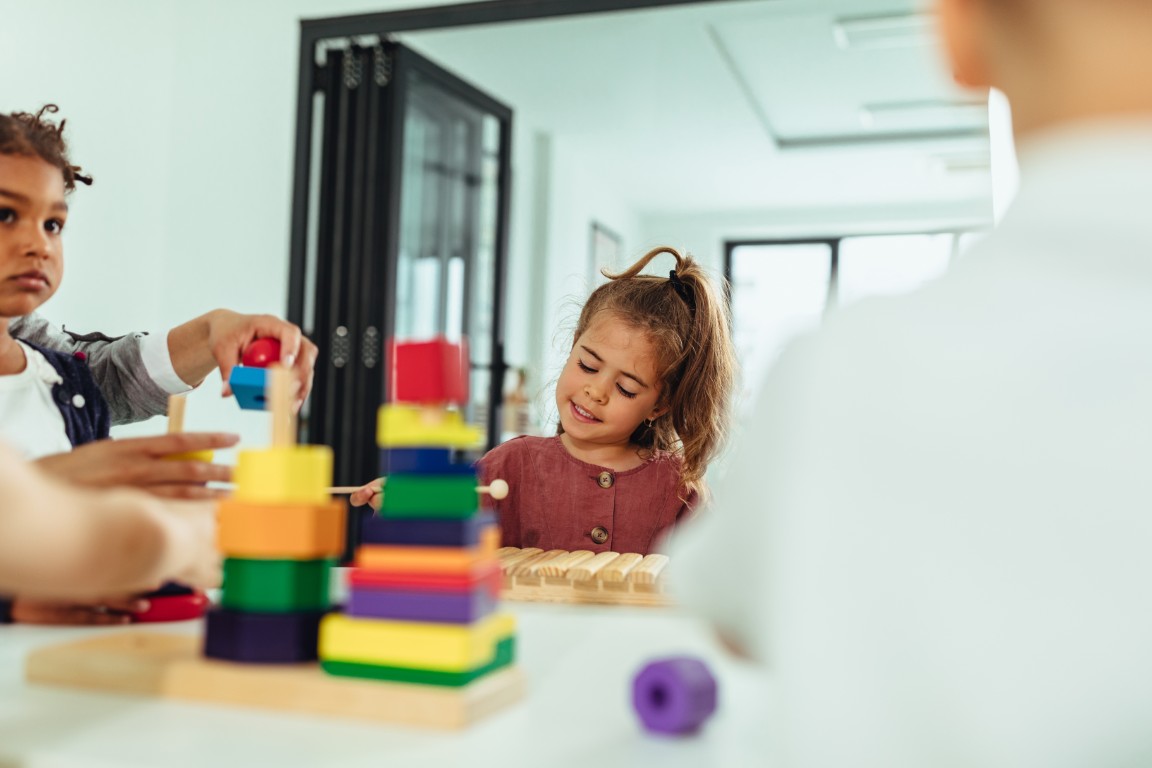
Behavioral therapy for children can make a meaningful difference when started early. While all children experience emotional ups and downs, certain patterns may indicate the need for structured professional support.
If behaviors begin interfering with daily routines, school performance, or family life, behavioral therapy for children may help build the skills your child needs to thrive.
Parents in Tampa and Miami often wonder whether their child’s behavior is temporary or something that requires intervention. Recognizing early signs allows families to act before challenges grow more complex.
What Is Behavioral Therapy for Children?
Behavioral therapy for children is an evidence based approach designed to improve communication, emotional regulation, social skills, and independence while reducing behaviors that interfere with learning or relationships.
Therapists focus on understanding why behaviors occur and teaching healthier replacement skills. Instead of simply correcting unwanted behavior, therapy builds practical tools children can use in real life situations.
Behavioral therapy may support children with:
Autism Spectrum Disorder
ADHD related behaviors
Developmental delays
Communication challenges
Social interaction difficulties
Emotional regulation concerns
7 Signs Your Child May Benefit from Behavioral Therapy for Children
1. Frequent Emotional Meltdowns
Occasional tantrums are normal. However, frequent, intense outbursts that are difficult to calm may signal difficulty with emotional regulation. Behavioral therapy teaches coping strategies that reduce both intensity and frequency.
2. Difficulty Following Instructions
If your child consistently struggles to complete simple tasks or follow directions, therapy can break skills into manageable steps and reinforce successful completion.
3. Aggressive Behaviors
Hitting, biting, throwing objects, or self injurious behaviors often stem from frustration or communication barriers. Structured therapy addresses the root cause and teaches safer alternatives.
4. Delayed Communication Skills
Children who have difficulty expressing their needs may become easily frustrated. Behavioral therapy builds functional communication systems that improve interaction.
5. Social Withdrawal or Peer Difficulties
If your child struggles to form friendships or engage appropriately with peers, therapy can strengthen age appropriate social skills.
6. Extreme Difficulty with Transitions
Significant distress during routine changes may indicate rigidity that benefits from structured intervention.
7. Ongoing School Concerns
If teachers consistently report behavioral challenges, early behavioral therapy for children can improve focus, cooperation, and classroom readiness.
Why Early Intervention Matters
Research shows early behavioral intervention improves long term developmental outcomes. When behavioral therapy for children begins during early growth stages, children often develop stronger adaptive skills.
Benefits of early support include:
Improved communication
Better emotional regulation
Stronger peer relationships
Increased independence
Reduced stress at home
Improved academic readiness
Early action builds long term confidence.
What to Expect During Therapy
Sessions are structured but engaging. Therapy may include:
One on one skill instruction
Play based learning
Communication exercises
Social skills practice
Positive reinforcement strategies
Parent training and collaboration
Each treatment plan is personalized based on assessment findings and measurable goals.
Behavioral Therapy for Children in Tampa and Miami
Prestige Behavior Therapy proudly serves families in:
Tampa
5321 Memorial Hwy
Tampa, FL 33634
Miami
13200 SW 128th St, Suite E2
Miami, FL 33186
Our team focuses on compassionate, data driven care that supports meaningful progress.
If you recognize these signs in your child, seeking behavioral therapy for children is a proactive step toward long term growth.
Call Tampa: (813) 252-0825
Call Miami: (786) 250-3223
Email: [email protected]


Contact Us
Is your child ready to thrive? Mayoral Behavioral Services is here to support your family at every stage. Reach out today to schedule a consultation at our Miami or Tampa locations and take the first step toward positive change.
No. While behavioral therapy for children is commonly used to support children with Autism Spectrum Disorder, it also helps children with ADHD, developmental delays, communication challenges, emotional regulation difficulties, and social skill concerns.
Early intervention is strongly recommended. Many children begin therapy between ages 2 and 6, but behavioral therapy for children can be effective at any age depending on individual needs.
The length of therapy varies depending on the child’s goals and progress. Some children benefit from short term support, while others may require longer structured programs.
Yes. Parent involvement is essential. Families are guided on how to reinforce strategies at home to ensure consistent progress.
The first step is a professional assessment. A licensed provider evaluates your child’s behavior, development, and skill levels to determine whether behavioral therapy for children is appropriate.